

Rather than paying for the overhead of a full-time retail location that may have slow periods or paying a distributor a chunk of your profits, an excellent business model is to reserve a booth and sell products directly to the consumer.
This, of course, is never as easy as it sounds, as there could be some early mornings, long days and, often, extensive business paperwork to handle that is important while you share your products with the world.
Every festival or public market will have its own rules about set-up, costs and procedures, but there are some universal things that vendors should keep in mind.
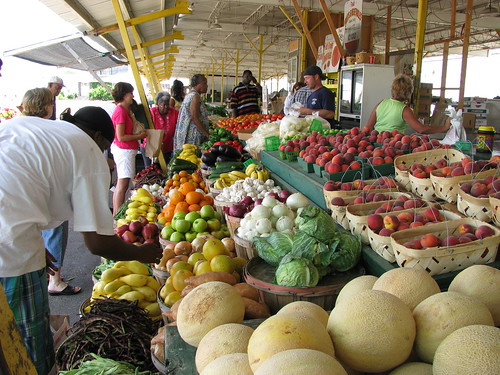 |
| Photo by NatalieMaynor via Flickr |
- Be sure to collect and pay taxes. Though the whole philosophy of people-to-people transactions seems like no taxes should be needed, most state governments or municipalities disagree. Even if you're selling something you've grown or manufactured, the transaction requires that you charge and return a portion of your proceeds to the government. Most state organizations have information about this on their websites. For instance, Missouri has an extensive FAQ section for farmer's market vendors, addressing everything from whether you have to pay taxes on very small profits (yes) or if your kids have to pay taxes if they're selling things they made (also yes, but through your tax license).
- Be friendly. Though you don't have to be especially gregarious, you should try to be cordial to your customers. The Fernandina Beach Market Place in Florida has several suggestions for patrons to get along better with the vendors, including not filling up on samples, not trying to haggle, feeling free to ask questions about products and generally being pleasant. There aren't public suggestions for vendors, but they would likely be similar—be pleasant, give samples and answer questions.
- Offer mobile payments. Innovations in credit card and wireless technology allow vendors to swipe customers' cards right at their booth, instead of requiring cash only or directing people to a central register. Intuit's GoPayment system, for instance, includes an add-on to your phone or tablet for running cards. You can also type in the information. In addition, the app helps you generate reports and keep track of other payment forms.
- Offer deals. Even if you're not willing to lower your prices, it doesn't mean you can't offer customers some incentives. You can even have fun being creative: "Buy five carrots, get the sixth for a penny" or "Bring a friend over to say hi and get 10 percent off." If the event is regular, like every weekend from May through September, you can consider offering frequency discounts like a punch card.
- Get your checkbook out. Along with various set-up, booth and organization fees, there will likely be other charges required, especially if you're selling food instead of crafts. Most municipalities require some kind of health department certification or safe food handling permit. Helen Quin, a small business columnist for the Billfold, a financial/business site, described how she and her boyfriend had to sink several thousand dollars into their festival ice cream business before actually selling a cone. This included city permits, renting a commercial kitchen to prepare their product, storing it, and paying for electricity plus signage and advertising at the event. So it can be rewarding, but also can be a lot of work.
Author Bio
Murray Lunn is a freelance writer specializing in content marketing for online businesses; his work includes business blogging, product development, and brand development.


Post a Comment